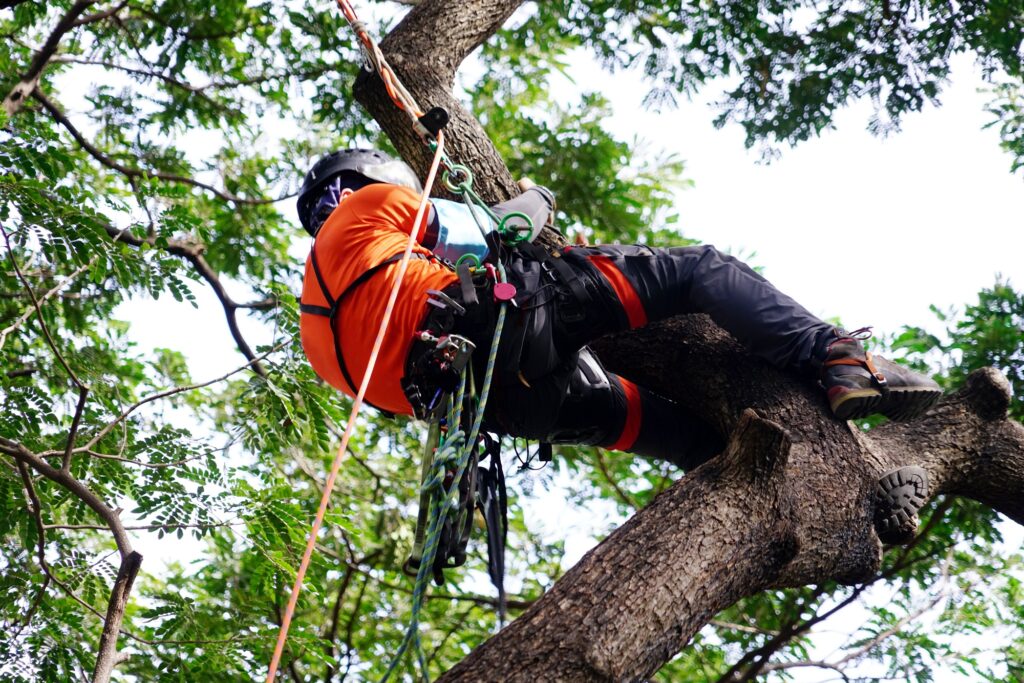
Trees are valuable assets in residential and commercial landscapes, providing shade, privacy, environmental benefits, and visual appeal. However, trees can experience a range of health issues throughout their lifespan, many of which are not immediately obvious to property owners. Knowing when to seek professional guidance can make a significant difference in preserving tree health and avoiding more serious problems.
An experienced arborist can assess tree condition, identify potential risks, and recommend suitable management strategies before issues become costly or irreversible. Whether you have a newly planted ornamental tree or a mature specimen that has been part of the landscape for decades, professional tree service support can help maintain its health and longevity.
How Arborist and Tree Service Professionals Help Protect Tree Health
Professional tree care involves much more than occasional pruning or maintenance. Arborists use specialised knowledge to evaluate tree health, structural integrity, environmental conditions, and growth patterns.
Tree Service Assessments for Early Signs of Tree Decline
Many tree health problems develop gradually. Regular tree service inspections can help identify concerns before visible damage becomes severe.
Common warning signs include:
- Reduced foliage density
- Premature leaf drop
- Discoloured leaves
- Slower growth than expected
- Branch dieback
Early intervention often provides more opportunities for treatment and recovery.
Arborist Recommendations for Long-Term Tree Health Management
A qualified arborist may recommend various tree care strategies depending on the species, age, and condition of the tree.
These recommendations may include:
- Tree pruning services
- Soil improvement measures
- Pest monitoring
- Structural support systems
- Preventative tree maintenance
Common Tree Health Problems That May Require Professional Tree Service Support
While some tree issues are easy to recognise, others may develop unnoticed until significant damage has occurred.
Tree Service Inspections for Discoloured Leaves and Poor Growth
Changes in leaf colour, size, or density often indicate underlying health concerns.
Potential causes include:
- Nutrient deficiencies
- Poor soil conditions
- Root stress
- Environmental factors
- Disease development
Professional tree health assessments can help determine the source of the problem and identify suitable corrective actions.
Dead Branches and Canopy Issues Identified by Arborist Services
Deadwood accumulation and thinning canopies may indicate declining health or structural concerns.
Arborist services can evaluate whether these symptoms are the result of:
- Natural ageing
- Disease
- Environmental stress
- Root damage
- Pest activity
Tree Disease and Pest Concerns Often Require Arborist and Tree Service Expertise
Diseases and insect infestations can significantly impact the health and stability of trees if left untreated.
Tree Service Solutions for Identifying Tree Disease Early
Early diagnosis is often one of the most important factors in successful tree disease management.
Property owners should watch for:
- Fungal growth
- Bark abnormalities
- Cracked trunks
- Branch dieback
- Unusual leaf discolouration
Professional tree service providers can help determine whether treatment options are available.
Arborist Assessments for Insect Activity and Tree Health Decline
Certain pests may weaken trees by damaging leaves, bark, roots, or internal structures.
Signs of infestation may include:
- Holes in foliage
- Sawdust-like residue
- Visible insect activity
- Damaged bark
- Progressive canopy decline
Timely arborist assessments help minimise long-term damage and support healthier tree recovery.
Structural Tree Service Assessments Help Improve Tree Safety
Tree health is not limited to foliage and growth. Structural stability is equally important, particularly for trees located near homes, driveways, or outdoor living spaces.
Tree Service Inspections for Leaning Trees and Stability Concerns
A leaning tree may indicate underlying problems such as:
- Root instability
- Soil movement
- Storm damage
- Structural weakness
- Internal decay
Professional tree risk assessments help determine the level of concern and appropriate management options.
Arborist Support for Weak Branch Attachments and Structural Defects
Poor branch unions and structural defects may increase the risk of branch failure.
Arborist inspections can identify:
- Cracked limbs
- Co-dominant stems
- Excessive branch weight
- Weak attachment points
- Structural imbalance
Root-Related Problems That Tree Service Professionals Can Help Manage
Healthy roots are essential for healthy trees, yet root problems often go unnoticed until symptoms appear elsewhere in the tree.
Tree Service Evaluations for Root Stress and Underground Damage
Root issues may contribute to:
- Reduced growth
- Leaf decline
- Tree instability
- Poor canopy development
- Increased susceptibility to disease
Professional assessments help identify whether root systems are contributing to visible tree health concerns.
Arborist Guidance for Trees Growing Near Homes and Hardscapes
Trees located near buildings, driveways, retaining walls, or paved areas may require periodic monitoring to ensure healthy root development and minimise conflicts with surrounding infrastructure.
Storm Damage Tree Service Assessments After Severe Weather
Storms can place significant stress on trees, even when obvious damage is not immediately visible.
Arborist Inspections for Hidden Storm Damage
Following severe weather, arborists may assess trees for:
- Cracked branches
- Split trunks
- Root movement
- Canopy imbalance
- Internal structural damage
Early detection helps reduce future safety risks.
Emergency Tree Service Considerations for Damaged Trees
Some situations may require urgent attention, particularly when damaged trees pose a risk to people or property.
Emergency tree service support may be necessary for:
- Hanging branches
- Fallen limbs
- Storm-damaged trees
- Unsafe leaning trees
- Obstructed access areas
Contact an Arborist and Tree Service Professional to Protect Tree Health
Tree health concerns rarely improve without proper assessment and management. Whether you have noticed declining growth, unusual leaf discolouration, storm damage, structural instability, or signs of disease, seeking professional guidance early can help prevent more serious complications.
Working with an experienced arborist and professional tree service provider allows property owners to make informed decisions about tree care, maintenance, and preservation. Through regular inspections, tree health assessments, and preventative maintenance strategies, it is often possible to extend the lifespan of valuable trees while maintaining a safer and more attractive landscape.