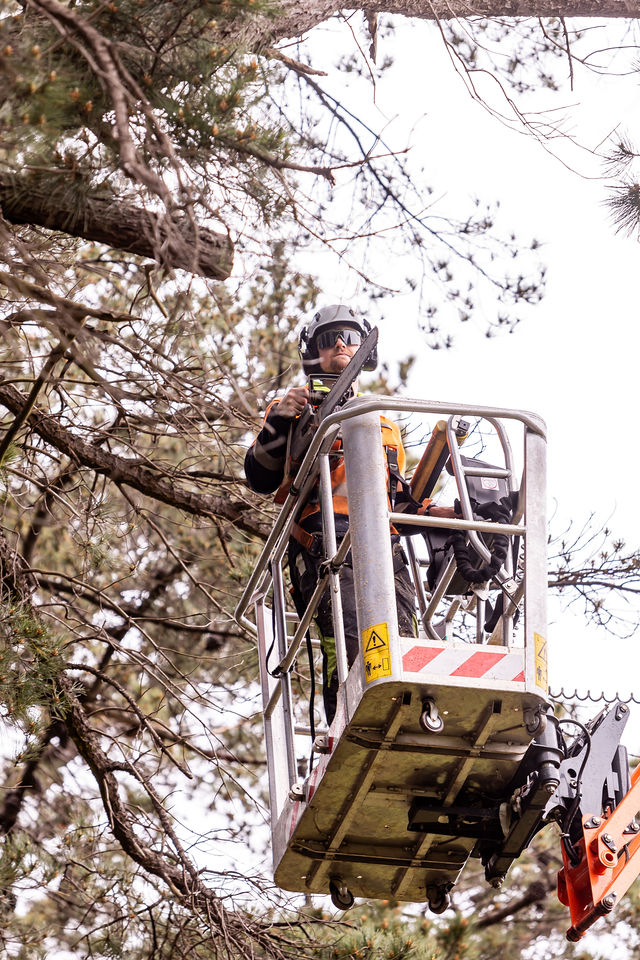
Maintaining healthy, attractive, and safe trees often requires more than occasional trimming. As trees mature, their size, shape, and branch structure can begin to affect surrounding buildings, gardens, pathways, and outdoor living areas. This is where professional tree pruning becomes an important part of long-term tree care.
Among the many pruning techniques available, crown reduction and crown lifting are two of the most commonly recommended. While both involve removing selected branches, they serve different purposes and are suited to different situations. Understanding how these techniques work can help property owners make more informed decisions about managing mature trees and preserving their long-term health.
Why Tree Pruning Plays an Important Role in Long-Term Tree Care
Tree pruning is not simply about improving appearance. When carried out correctly, pruning helps support healthy growth, improve tree structure, and reduce potential safety concerns.
As trees continue to develop, branches may begin to interfere with buildings, block sunlight, restrict access, or create excessive canopy growth. Professional tree care focuses on managing these issues while maintaining the natural form and health of the tree.
Regular pruning can also help identify structural concerns early, allowing property owners to address potential problems before they become more significant.
Understanding the Different Types of Tree Pruning
Tree pruning can involve a range of techniques depending on the condition of the tree and the desired outcome.
Some of the most common pruning methods include:
- Crown reduction
- Crown lifting
- Canopy thinning
- Structural pruning
- Deadwood removal
Each technique serves a specific purpose. The most appropriate option often depends on factors such as tree species, location, growth patterns, and surrounding structures.
Two methods frequently recommended by professional arborists are crown reduction and crown lifting.
How Crown Reduction Supports Tree Health and Canopy Management
Crown reduction focuses on reducing the overall size of a tree’s canopy while maintaining its natural shape and structure.
Rather than removing large sections of the tree, selected branches are carefully pruned to decrease the height or spread of the canopy. This approach helps create a more balanced structure while retaining the tree’s appearance.
Managing Overgrown Canopies
As trees mature, canopies can become disproportionately large for the available space.
This may result in branches extending over roofs, driveways, fences, or neighbouring properties. Crown reduction helps manage canopy size without requiring tree removal.
Improving Structural Balance
Heavy limbs can place additional stress on the tree, particularly during strong winds or severe weather events.
Reducing branch weight through professional tree pruning can help improve structural balance and reduce strain on major limbs.
Increasing Sunlight and Airflow
Dense canopies may limit sunlight reaching lawns, gardens, and outdoor entertaining areas.
Strategic crown reduction can improve light penetration and airflow while preserving the overall character of the tree.
When Crown Lifting Is the Better Tree Pruning Solution
Unlike crown reduction, crown lifting focuses on removing selected lower branches while leaving the upper canopy largely unchanged.
The objective is not to reduce the overall size of the tree but to create greater clearance beneath it.
Improving Access Around the Property
Low-hanging branches can obstruct pathways, driveways, garden access points, and outdoor spaces.
Crown lifting helps create additional clearance and improves movement throughout the property.
Enhancing Visibility
Trees located near roads, driveways, or intersections can sometimes affect visibility.
Removing lower branches may improve sightlines while preserving the environmental and visual benefits of the tree.
Creating More Functional Outdoor Spaces
Many homeowners choose crown lifting to make better use of their outdoor areas.
Whether creating space for landscaping, outdoor seating, or garden improvements, raising the canopy can help increase the usability of the surrounding environment.
Why Professional Arborists Recommend Different Tree Pruning Techniques
No two trees are exactly alike. The most effective pruning strategy depends on a range of factors, including species, age, condition, growth habits, and location.
Professional arborists assess these factors before recommending a pruning approach.
For example, a large tree growing close to a home may benefit from crown reduction to manage canopy spread. A tree with low branches extending across a driveway may be better suited to crown lifting.
The goal is not simply to remove branches but to select a pruning method that supports both tree health and property functionality.
How Tree Pruning Can Improve Safety Around Homes and Gardens
One of the primary reasons property owners invest in professional tree pruning is to improve safety.
Overgrown branches can create risks when they extend over structures, pathways, or high-use outdoor areas.
Professional tree care can help reduce these concerns by:
- Managing excessive branch growth
- Improving visibility
- Reducing branch weight
- Removing damaged limbs
- Creating appropriate clearances
When combined with regular inspections, tree pruning can form an important part of a long-term property maintenance strategy.
Choosing the Right Tree Pruning Approach for Mature Trees
The decision between crown reduction and crown lifting should be based on the specific objectives of the property owner and the condition of the tree.
Crown reduction is often more suitable when the overall canopy size needs to be managed, while crown lifting is typically recommended when improving clearance beneath the tree is the primary goal.
In some situations, a combination of pruning techniques may be appropriate to achieve the desired result.
Property owners considering tree pruning Langwarrin services should seek professional advice before undertaking significant pruning work. A proper assessment helps ensure the selected approach supports both tree health and long-term landscape objectives.
Frequently Asked Questions About Tree Pruning
Does tree pruning help improve tree health?
Yes. Professional pruning can remove problematic growth, improve structure, and encourage healthier development when performed correctly.
How often should trees be pruned?
The frequency depends on the species, growth rate, age, and condition of the tree. Some trees may require pruning every few years, while others benefit from more regular maintenance.
Is crown reduction the same as tree topping?
No. Crown reduction is a controlled pruning technique that maintains the tree’s structure, whereas tree topping is generally considered a poor pruning practice.
Finding Professional Tree Pruning Services in Langwarrin
Choosing the right pruning technique can have a significant impact on both tree health and the overall appearance of a property. Whether the goal is to manage canopy growth, improve access, increase sunlight, or enhance safety, professional assessment is often the first step toward achieving the best outcome.
Homeowners researching tree pruning solutions in Langwarrin can benefit from understanding the differences between crown reduction and crown lifting before making a decision. Selecting the most appropriate pruning method helps support healthier trees, safer outdoor spaces, and more effective long-term landscape management.