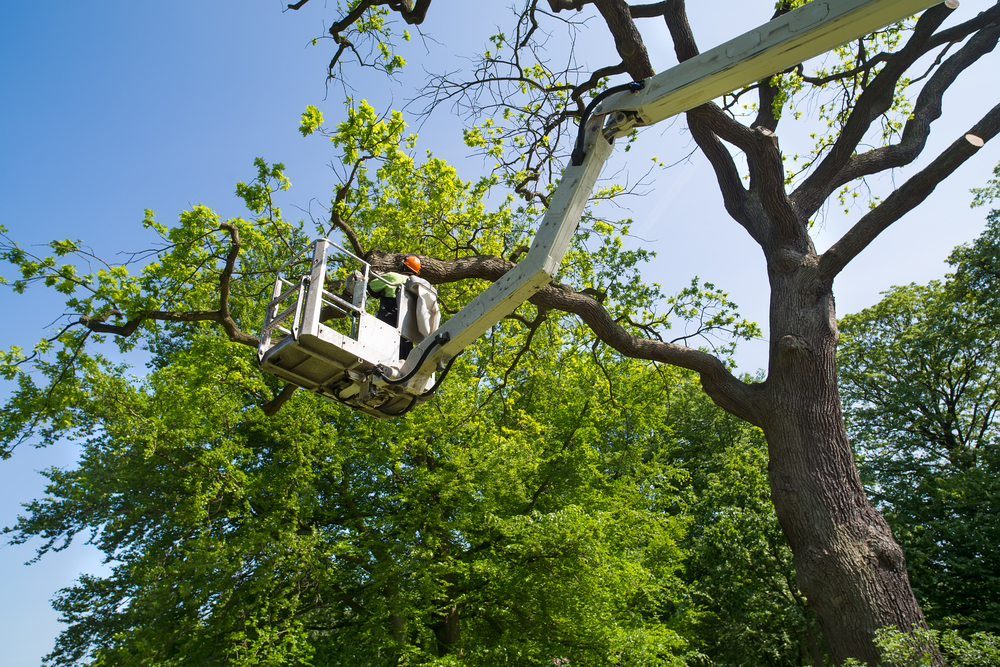
The Benefits of Seasonal Tree Maintenance for Residential Landscapes

Seasonal tree maintenance is essential for keeping residential landscapes healthy, balanced, and visually appealing throughout the year. Trees naturally respond to seasonal changes in temperature, rainfall, and sunlight, which directly affects their growth patterns and overall condition. Without proper care, trees may develop structural weaknesses, dense canopies, or reduced vitality over time.

By applying consistent seasonal tree maintenance, property owners can support healthier growth cycles, improve structural stability, and reduce long-term tree health issues. Professional tree care services, including pruning, canopy management, and arborist inspections, play a key role in maintaining strong and resilient trees.


Seasonal Tree Maintenance Supports Natural Growth Cycles

Trees do not grow evenly throughout the year. Each season influences how branches develop, how leaves respond, and how the overall structure adapts to environmental conditions.

Tree Maintenance Aligned With Seasonal Conditions

Seasonal tree maintenance ensures that care activities are performed at the right time to support natural growth processes.

This helps to:

  • Encourage balanced growth development
  • Reduce unnecessary stress on trees
  • Improve branch structure over time
  • Support healthier canopy formation
  • Maintain long-term tree stability

Proper timing is one of the most important factors in effective tree care.

Tree Health Improves Through Consistent Seasonal Care

Regular tree maintenance allows early detection of changes in tree condition, helping address potential issues before they become more serious.


Tree Pruning Services Improve Structure and Long-Term Stability

Tree pruning services are a core part of seasonal tree maintenance and help maintain strong, well-structured trees in residential environments.

Structural Pruning Supports Strong Tree Development

Structural pruning focuses on improving how a tree grows by removing poorly positioned or weak branches.

Key benefits include:

  • Improved branch spacing and structure
  • Better weight distribution across limbs
  • Reduced risk of structural failure
  • Stronger long-term growth patterns
  • Improved canopy balance

Deadwood Removal Supports Healthier Trees

Removing dead, damaged, or decaying branches helps improve tree condition and reduces unnecessary strain on healthy growth areas.


Canopy Management Improves Light and Airflow Conditions

Over time, tree canopies may become dense, limiting airflow and reducing sunlight penetration to inner branches.

Crown Thinning Improves Seasonal Tree Performance

Crown thinning is a selective pruning method that improves internal canopy conditions while maintaining the natural shape of the tree.

This process helps:

  • Improve airflow through the canopy
  • Increase sunlight exposure
  • Reduce moisture build-up
  • Support healthier foliage growth
  • Improve overall tree resilience

Balanced Canopies Reduce Environmental Stress

Trees with well-managed canopies are better equipped to handle seasonal weather changes such as wind, rain, and dry periods.


Preventative Tree Care Reduces Long-Term Problems

One of the most important benefits of seasonal tree maintenance is preventing small issues from becoming major tree health concerns.

Tree Trimming for Controlled Growth

Tree trimming helps manage excessive or uneven growth that may affect residential spaces.

It is commonly used to:

  • Maintain safe clearance from structures
  • Control canopy spread
  • Improve visual appearance
  • Reduce overcrowding of branches
  • Support better tree shape

Arborist Services Support Early Problem Detection

A seasonal arborist inspection helps identify early signs of:

  • Tree disease
  • Pest activity
  • Root stress
  • Structural weaknesses
  • Canopy imbalance

Early intervention improves long-term tree health outcomes.


Residential Tree Care Improves Landscape Safety and Value

Healthy, well-maintained trees contribute significantly to both the safety and appearance of residential properties.

Tree Care Services Enhance Outdoor Environments

Regular tree care services help improve:

  • Garden aesthetics
  • Shade and comfort
  • Outdoor usability
  • Property presentation
  • Landscape structure

Seasonal Tree Maintenance Reduces Safety Risks

Consistent maintenance helps reduce risks associated with falling branches, unstable growth, or storm-related stress.


Take Action Now With Professional Seasonal Tree Maintenance and Tree Care Services

Seasonal tree maintenance is not something that should be delayed until visible problems appear. Many tree health issues such as weak branches, canopy imbalance, and structural stress develop gradually over time and often go unnoticed until they become more serious. Taking proactive action with regular tree maintenance and professional tree care services helps ensure that trees remain healthy, stable, and safe throughout every season.

By working with experienced arborist services, property owners can benefit from expert assessments, structural pruning, canopy management, crown thinning, and deadwood removal. These services are designed to improve tree health, enhance long-term growth, and reduce potential safety risks around residential landscapes. Consistent seasonal tree maintenance also helps protect surrounding structures, outdoor spaces, and garden areas from unnecessary damage.

If you want to maintain strong, healthy, and well-structured trees, now is the right time to invest in professional seasonal tree maintenance. Early intervention through tree pruning services and preventative tree care not only improves tree performance but also ensures your landscape remains attractive, safe, and sustainable all year round.
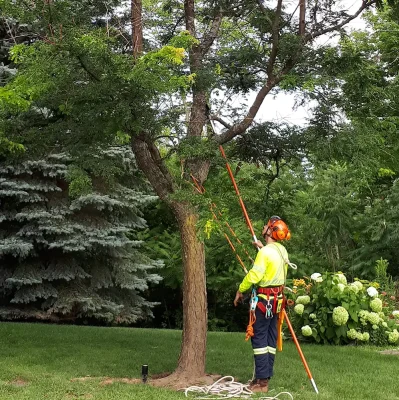
Why Regular Tree Pruning Is Important for Healthy Growth

Healthy trees require more than water, sunlight, and suitable soil conditions to thrive. As trees mature, they naturally develop new branches, dense canopies, and varying growth patterns that can affect their health and structural stability. Without proper maintenance, overcrowded branches, deadwood, and poor growth habits may gradually reduce a tree’s vitality and increase the risk of future problems.

Regular tree pruning plays an important role in supporting healthy growth by removing unwanted branches, improving structure, and encouraging stronger development. Whether performed on young ornamental trees or mature landscape specimens, pruning is one of the most effective tree care practices for maintaining long-term health and appearance.


Tree Pruning Supports Stronger and Healthier Tree Development

Tree growth is a continuous process, and not all growth contributes positively to a tree’s long-term condition. Some branches may compete for resources, while others may become weak, damaged, or poorly positioned.

Structural Pruning Encourages Better Growth Patterns

Structural pruning focuses on developing a strong framework that supports the tree as it matures.

Benefits of structural pruning include:

  • Improved branch spacing
  • Better weight distribution
  • Reduced structural weaknesses
  • Stronger branch attachments
  • Healthier long-term development

Establishing proper structure early can help reduce the need for corrective pruning later in the tree’s life.

Tree Pruning Helps Direct Energy to Healthy Growth

By removing unnecessary or competing branches, trees can allocate resources more efficiently to healthy areas of growth. This often contributes to stronger development and improved overall vitality.


Tree Pruning Services Help Remove Dead, Damaged, and Diseased Branches

One of the primary objectives of tree pruning is to eliminate growth that may negatively affect tree health.

Deadwood Removal Improves Tree Condition

Dead branches no longer contribute to healthy growth and may create opportunities for disease or pest activity.

Removing deadwood can help:

  • Improve tree appearance
  • Reduce potential safety hazards
  • Minimise pest attraction
  • Support healthier growth patterns
  • Improve canopy condition

Diseased Branch Removal Helps Prevent Further Decline

Certain diseases can spread through branches and affect larger portions of the tree over time.

Tree pruning services may help reduce the spread of disease by removing affected areas before problems become more widespread.


Canopy Management Improves Airflow and Sunlight Exposure

Dense canopies can create conditions that limit airflow and restrict sunlight from reaching inner branches.

Crown Thinning Helps Improve Canopy Health

Crown thinning involves selectively removing branches throughout the canopy to improve internal conditions without altering the natural shape of the tree.

Benefits may include:

  • Better airflow
  • Increased sunlight penetration
  • Reduced canopy density
  • Improved foliage development
  • Lower risk of moisture-related issues

Healthier Canopies Support Better Tree Performance

Trees with balanced canopies are often better equipped to withstand environmental stress while maintaining vigorous growth.


Tree Pruning Helps Reduce Structural Problems Before They Develop

Small structural issues can become more significant if left unmanaged as trees continue to grow.

Corrective Pruning Addresses Problematic Growth

Corrective pruning helps manage:

  • Crossing branches
  • Rubbing limbs
  • Weak branch unions
  • Overcrowded growth
  • Unbalanced canopies

Addressing these issues early helps support safer and healthier tree development.

Tree Maintenance Helps Reduce Future Risks

Routine tree maintenance often prevents minor concerns from becoming larger structural or health-related problems.


Tree Pruning and Tree Trimming Serve Different Purposes

Although the terms are often used interchangeably, tree pruning and tree trimming are not exactly the same.

Tree Pruning Focuses on Tree Health

Tree pruning is primarily concerned with improving:

  • Tree structure
  • Growth patterns
  • Long-term health
  • Disease prevention
  • Structural stability

Tree Trimming Focuses on Appearance and Control

Tree trimming is generally performed to:

  • Maintain shape
  • Control growth
  • Improve property clearance
  • Enhance appearance
  • Manage canopy size

Both services can play valuable roles in a comprehensive tree care program.


Arborist Assessments Help Determine Tree Pruning Requirements

Not every tree requires the same pruning approach. Factors such as species, age, growth habits, and overall condition influence pruning requirements.

Professional Arborist Advice Supports Better Outcomes

An arborist can evaluate:

  • Tree health
  • Structural integrity
  • Growth patterns
  • Potential risks
  • Suitable pruning methods

This helps ensure pruning is performed appropriately and at the right stage of development.

Tree Health Assessments Identify Areas of Concern

Regular tree health assessments can reveal issues that may benefit from pruning before they affect the tree’s long-term condition.

Support Your Healthier Trees With Regular Tree Pruning by Professional Tree Service

Regular tree pruning is essential for maintaining healthy growth, improving tree structure, and supporting long-term tree vitality. As trees continue to mature, branches can become overcrowded, damaged, or poorly positioned, limiting airflow and placing unnecessary stress on the tree. Professional tree pruning services help manage these issues while promoting stronger growth, better canopy balance, and improved overall tree health.

Investing in routine tree maintenance and tree care services can also help prevent minor concerns from developing into more significant problems. Through structural pruning, canopy management, crown thinning, and deadwood removal, property owners can improve tree stability while encouraging healthier growth patterns. These proactive tree care practices contribute to stronger, more resilient trees that are better equipped to thrive in changing environmental conditions.

If you want to maintain healthy, attractive, and well-structured trees, working with an experienced arborist is an excellent place to start. Professional arborist assessments and tree pruning services can help identify opportunities to improve tree health, support ongoing growth, and preserve the long-term value of your landscape.